
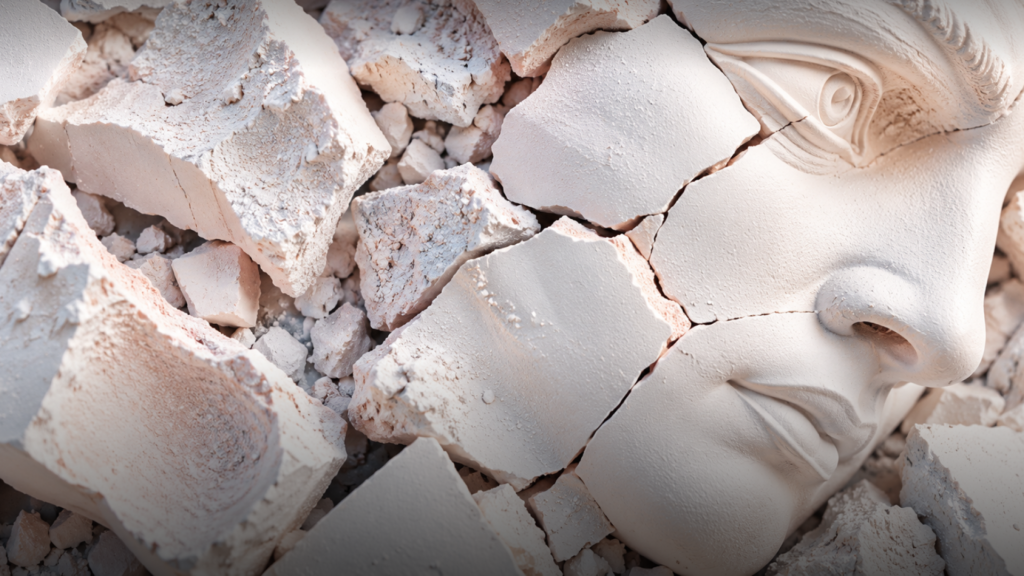
What changes does our skin go through during this time, and which habits should we reconsider?
Skin is our natural protective barrier
Skin is the body’s largest organ. It covers us completely and has several key jobs: protecting from outside factors, keeping in moisture, helping control body temperature, and letting us feel warmth, cold, pain, and touch.
Cold weather and low humidity cause skin to lose more moisture. Wind and dry indoor air make this worse. The skin barrier weakens, making it harder for skin to keep water in.
Because of this, you might notice dryness, tightness, and flaking. Skin can also get more sensitive, leading to itching, redness, or burning. Products you usually use may start to feel uncomfortable. If you have dermatitis, cold and dry air can make symptoms worse.
This is why it’s important to support your skin barrier and adjust your routine during the colder months.
A cream isn’t only about hydration
When your skin is dry, you might focus on adding moisture. But it’s just as important to prevent moisture from escaping.
So in winter, when dryness is noticeable, it’s helpful to use products that hydrate your skin and strengthen its protective barrier.
Glycerin and hyaluronic acid are humectants. They help keep water in the top layers of your skin.
Ceramides are lipids found in the skin barrier. They help keep its structure strong and reduce moisture loss.
Emollients like squalane soften your skin and make it feel smoother, which helps reduce dryness.
Petrolatum and other occlusives create a protective layer on your skin’s surface, helping to keep moisture from escaping.
If your skin is very dry, a thicker cream or ointment usually works better than a light lotion. Still, there isn’t one solution for everyone. The best choice depends on your skin type, its current state, and how you react to different ingredients.
Why does skin feel tight after cleansing?
If your skin feels tight after cleansing and you immediately want to use cream, pay attention not just to moisturizing but also to your cleansing routine.
Using very hot water or harsh cleansers can damage your skin barrier and make dryness worse. If your skin is dry and flaking, avoid scrubbing off the dry patches, since friction can cause more irritation.
If you have dry or sensitive skin, use a gentle, fragrance-free cleanser and wash with warm water instead of hot. If your skin is flaking, stop using scrubs and strong products for now, especially if you notice redness, burning, or tightness.
After washing your face, avoid rubbing it hard with a towel. Gently pat your skin and put on moisturizer while it’s still a bit damp. This helps keep moisture in.
What if skin is oily?
Dryness and oiliness can happen at the same time. Your skin might be oily but still need moisture.
So even if your skin is oily, you shouldn’t skip moisturizer in winter.
If you have combination skin, use lighter products on oily areas and richer ones on dry spots.
If you have acne-prone skin, the texture of your products is important. Rich creams might not work for everyone, so check for the “non-comedogenic” label and pay attention to how your skin responds.
Is SPF needed when it’s cold outside?
The amount of UV radiation isn’t set by air temperature. So you still need sun protection as part of your daily routine in winter.
For skin that’s exposed, use a broad-spectrum sunscreen with SPF 30 or higher. This is especially important in the mountains, where UV rays are stronger.
If you use products that make your skin more sensitive to the sun, UV protection is even more important.
Can a humidifier help?
Yes, especially if the air inside is dry.
Heating lowers indoor humidity, and dry air makes skin lose water. A humidifier can help keep the air more comfortable and may ease dryness.
A humidifier alone isn’t enough. You still need to use moisturizer regularly, avoid very hot water, and keep the humidifier clean.
When is dryness no longer just about the weather?
Dry skin is common in winter. It usually improves once you change your routine and spend less time in cold, dry air.
If dryness doesn’t go away after you change your routine, or if you have itching, redness, or other discomfort, the weather may not be the only cause.
It’s a good idea to see a dermatologist if you notice:
- persistent or pronounced itching;
- noticeable redness and irritation;
- painful cracks;
- weeping skin or crusts;
- a rash;
- strong burning after applying familiar products;
- dryness that doesn’t ease despite changes in care.
These symptoms can have many causes, and you can’t figure them out just by looking at the symptoms. A dermatologist can check your skin, find possible reasons, and recommend treatment and daily care if needed.
How to prepare your routine for the cold season?
You don’t have to completely change your skincare routine just because it’s cold. It’s better to check how your skin feels and only adjust what isn’t working for you.
If your skin has become drier:
- choose a gentle cleanser without harsh ingredients;
- when dryness is pronounced, try a cream or ointment instead of a light lotion;
- pay attention to the formula: glycerin, ceramides, and other hydrating and softening ingredients can help support the skin barrier;
- apply moisturizer to slightly damp skin after cleansing;
- avoid very hot water;
- if skin is irritated, temporarily reduce how often you use active products that may increase dryness;
- don’t try to remove flakes with harsh scrubs;
- keep using SPF;
- protect your hands from the cold and apply hand cream regularly after washing.
If you have dryness along with itching, inflammation, cracks, or a rash, don’t spend months trying to fix it yourself. In these cases, see a dermatologist. At Silk Medical, a doctor will check your skin, help you find the cause of dryness or irritation, and recommend treatment and a daily routine that fits you.