Select a branch
Tbilisi, Digomi
Tbilisi, Chavchavadze
Tbilisi, Uznadze
Tbilisi, Mosashvili
Batumi, Asatiani
Batumi, Gorgasali

+995 322 22 24 42+995 568 60 38 68

Mo-Fr 9:00 AM - 9:00 PM
Sa-Su 9:00 AM - 7:00 PM

Blog

Woman in striped pajamas curled up in bed hugging a pillow during painful periods

Painful periods: why your stomach hurts and how to ease the pain

Do you find yourself cancelling plans, searching for painkillers, and curling up under a blanket when your period starts because your stomach hurts again? For some, the pain feels dull and heavy, while for others it comes in cramping waves. It can also bring nausea, lower back pain, or an upset stomach. Many women get used to this and think periods just have to be painful. But you don't have to put up with severe pain every month. There are ways to feel better, and if pain is interfering with your daily life, it's important to find out why.
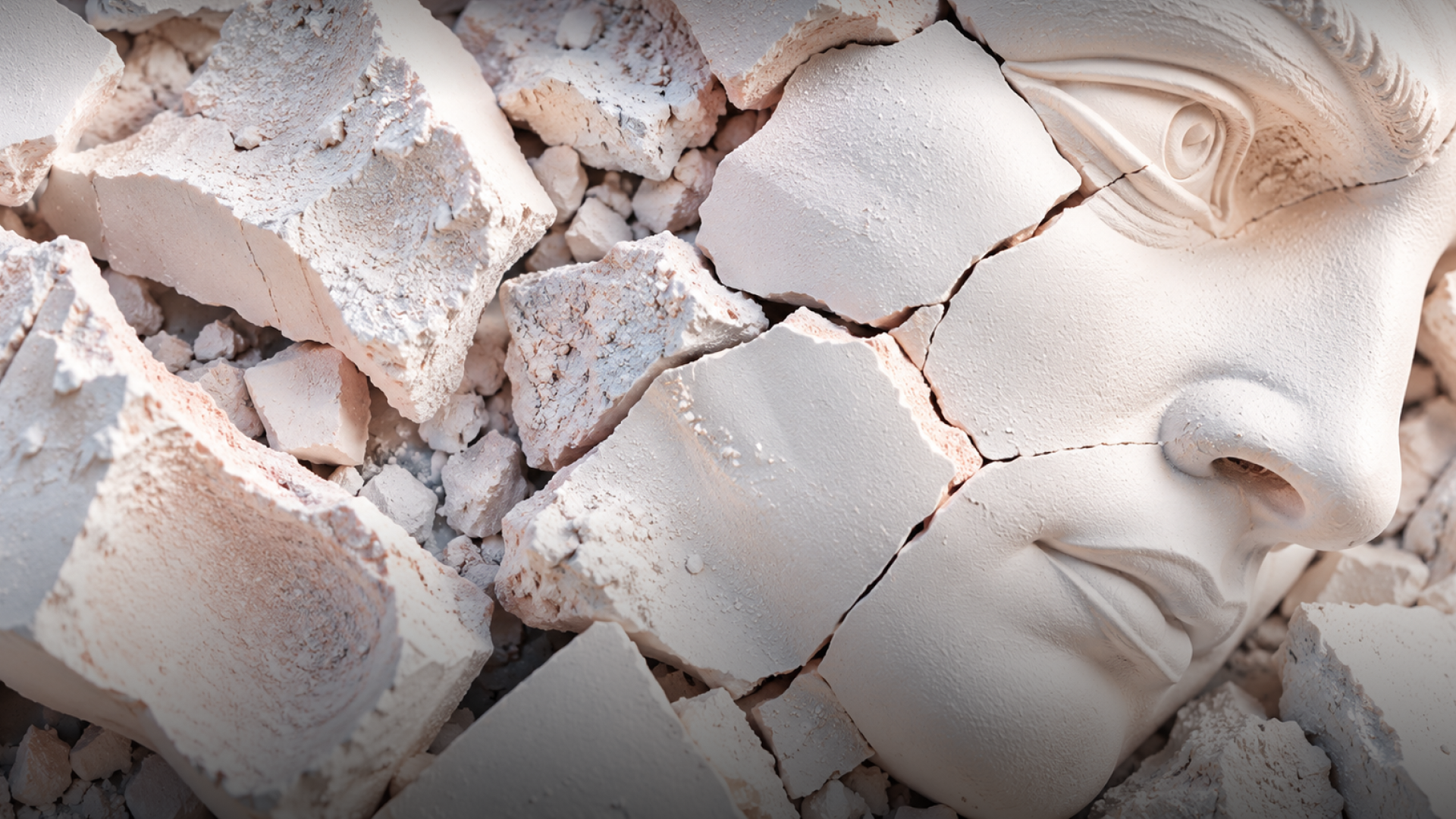
Dry skin in winter: cracks on a sculpted face as a metaphor for a damaged skin barrier

Dry skin: what changes in your routine when it gets cold

As the weather cools and indoor heating starts, our skin faces a new environment. It loses moisture more quickly, its protective barrier weakens, and sensitivity increases. This is why your usual routine may not work in winter. Skin can feel tight after cleansing, your cream might sting, and you may notice flaking on your cheeks and around your nose.
Heart health habits illustrated by toast with butter and jam hearts

What harms your heart every day?

We usually think about heart health when chest pain or discomfort, shortness of breath, a pounding heartbeat, or an irregular rhythm appears. But looking after your heart starts long before any of these symptoms show up. You might not smoke, and you may exercise and try to eat well, but you could still be doing things every day that don’t help your heart.
when to get gastroscopy — young woman in bed checking phone with discomfort

How do you know when it’s time for a gastroscopy?

“I must have eaten something wrong.” That’s a common way we explain a heavy feeling after eating, heartburn, a burning sensation in the stomach, or sudden nausea. If we feel better the next day, we usually forget about it. But if the symptoms come back, we start blaming coffee, spicy food, a late dinner, or stress. However, if these symptoms keep coming back, return after treatment, or slowly become part of your daily life, it’s important to find out what’s causing them.

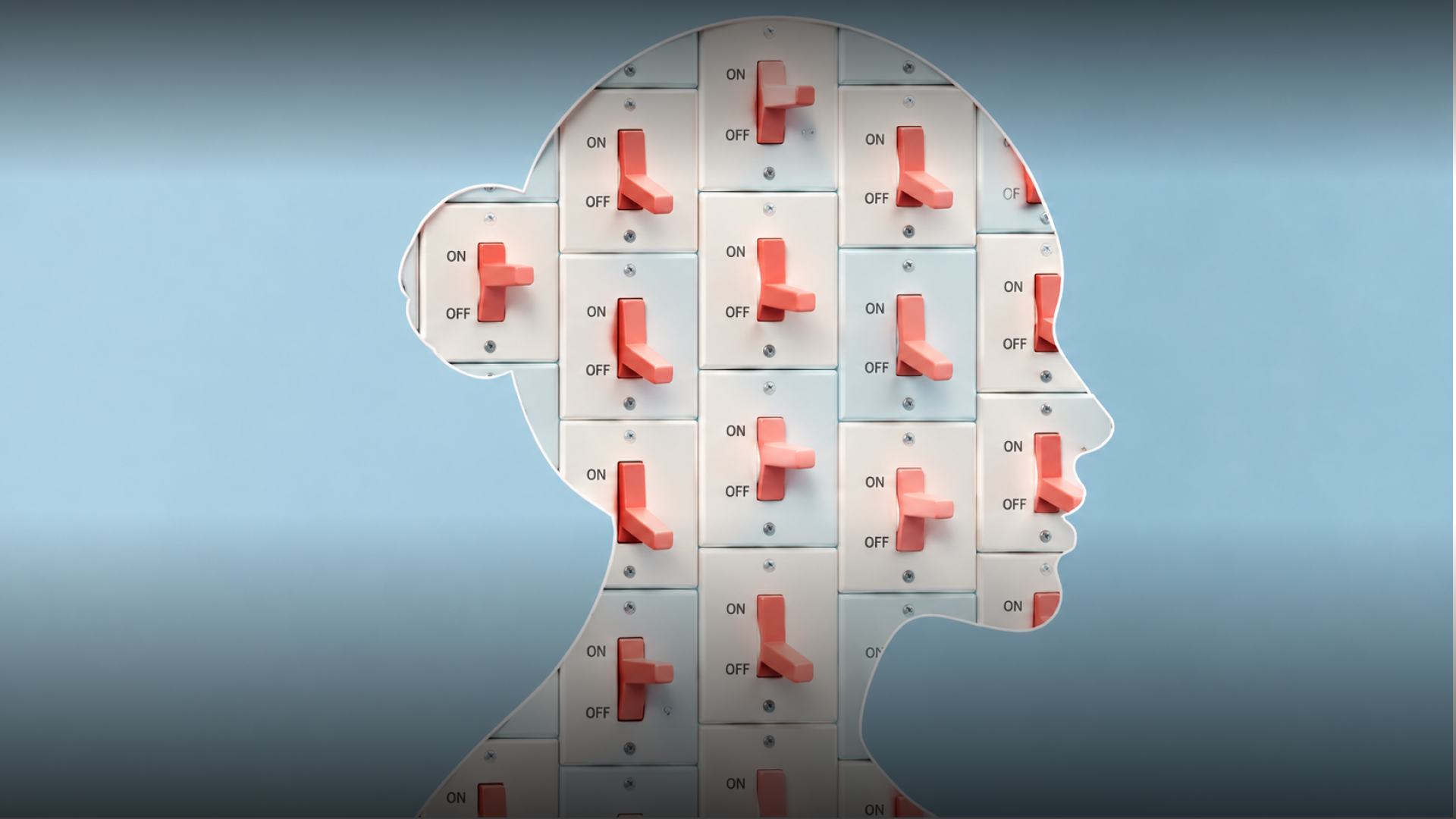
OCD symptoms: head silhouette with ON/OFF switches illustrating intrusive thoughts and rituals

OCD: How to Recognize Obsessive-Compulsive Disorder and Get Help

Do you wash your hands over and over, even when they are already clean? Do you check the door five times or more to make sure it's locked before leaving the house? Do you feel that if you don't perform a certain action, something bad will happen to you or your loved ones? If any of this sounds familiar, you are not alone.
Vitamins in autumn: a woman choosing fresh fruit at a market in Tbilisi

Do You Really Need Vitamins in Autumn? What to Know About “Autumn Vitamin Deficiency”

When autumn arrives, the weather changes and so does our daily routine. We spend more time indoors, get back to busy work schedules, and children return to school or kindergarten. It often feels like more people around us are getting sick. At times like these, it’s easy to think our bodies need extra support. Some people reach for vitamin C to boost immunity, others start taking vitamin D, and some choose a full multivitamin right away.
Cortisol face — social-media myth and real signs of hypercortisolism

“Cortisol face” and “cortisol belly”: real diagnoses or a new social-media myth?

If you scroll through TikTok or Instagram, it can seem like high cortisol is blamed for nearly everything: fatigue, poor sleep, weight gain, and trouble losing weight. That's why terms like "cortisol face" and "cortisol belly" are everywhere, along with lots of advice on how to quickly "lower your cortisol."

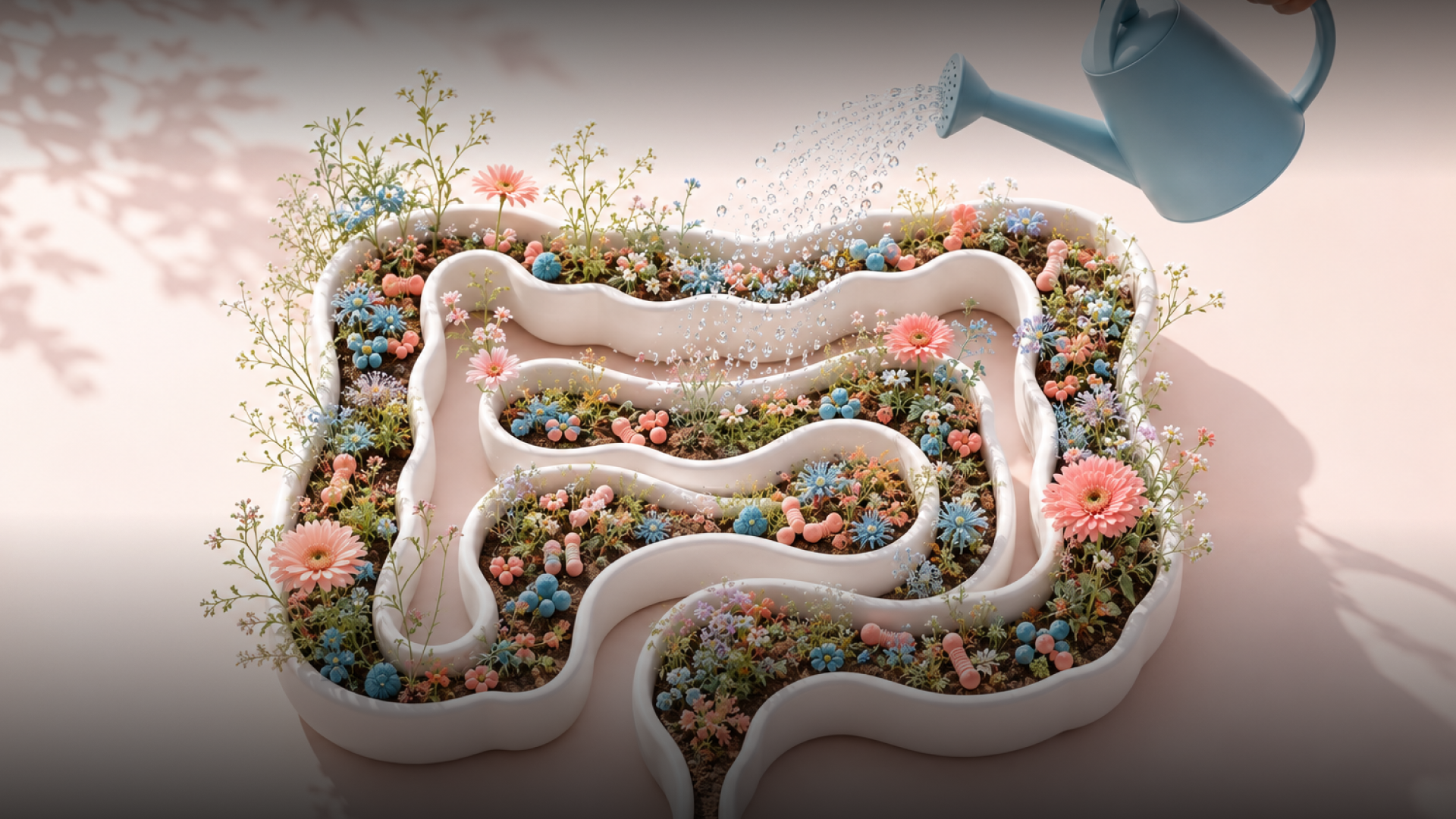
Do you really need to “restore your gut flora” after every course of antibiotics?

When we're prescribed antibiotics, we mostly think about clearing the infection. That's why it's important to follow the prescribed schedule and let your doctor know if side effects appear during treatment. But antibiotics do more than target the bacteria causing your illness. They can also affect other microorganisms in your body, including those in your gut.
Back-to-school adjustment: mother walking her daughter with a backpack to school

First days at kindergarten or school: how to help your child adjust

The first day at kindergarten or school is done, but for your child, the changes are just starting. A new routine, early mornings, lots of new faces, new rules, and time away from parents can feel overwhelming, even for a calm child. During this adjustment period, parents often notice new behaviors. A child might become more clingy, get tired more quickly, sleep poorly, or want to be picked up more often. Some children may become more irritable instead. School-age kids might resist homework or complain of headaches or stomach aches before class.
Magnesium deficiency symptoms — magnesium package and capsules on a table surrounded by hands with smartphones

Does everyone really need magnesium? Here’s a closer look at this popular dietary supplement

Magnesium has been a go-to mineral for many people. It’s often used to help with fatigue, muscle cramps, physical strain, and trouble sleeping. But does everyone actually need to take magnesium pills? What signs point to a deficiency, who might benefit from supplements, and how do you pick the right one?
checkup by age — women of different generations enjoying life, Silk Medical

Health Screenings at 25, 35, and 50: Which Tests Are Really Worth Getting at Each Age?

Age 25: “I feel great.” Age 35: “I guess it’s time to get a checkup.” Age 50: “Why didn’t I start doing this sooner?” Our health changes slowly over time, and so do the recommendations for preventive screenings. When you’re younger, keeping an eye on basic health indicators is usually enough. After age 35 and 50, though, the risk of silent diseases that develop without clear symptoms goes up.
Wet swimsuit health risks, drying on a clothesline, Silk Medical

Wearing a Wet Swimsuit for a Long Time: Is It Safe or Risky for Women’s Health?

You take a swim in the ocean, relax in a lounge chair with a cool drink, and decide to stay in your swimsuit for a few more hours. Sound familiar?

Schedule an appointment with a specialist


    Make an appointment

    time
    Fill in your information and we will call you back shortly.
    [cf7form cf7key="popap-zapisi-na-prijom"]
    Doctor:


      By clicking the button, you agree to processing of personal data and agree to privacy policy

      Make an appointment

      time
      Fill in your information and we will call you back shortly.
      [cf7form cf7key="popap-zapisi-na-prijom"]
      Select a direction
      Anesthesiologist-resuscitator
      Embryologist
      General practitioner
      Gynecologist
      Nutritionist
      Otorhinolaryngologist
      Pediatrician
      Psychologist
      Ultrasound doctor
      Tbilisi, 6th Quarter Digomi, 5a


        By clicking the button, you agree to processing of personal data and agree to privacy policy

        Request a callback

        Fill in your information and we will call you back shortly.


          By clicking the button, you agree to processing of personal data and agree to privacy policy