
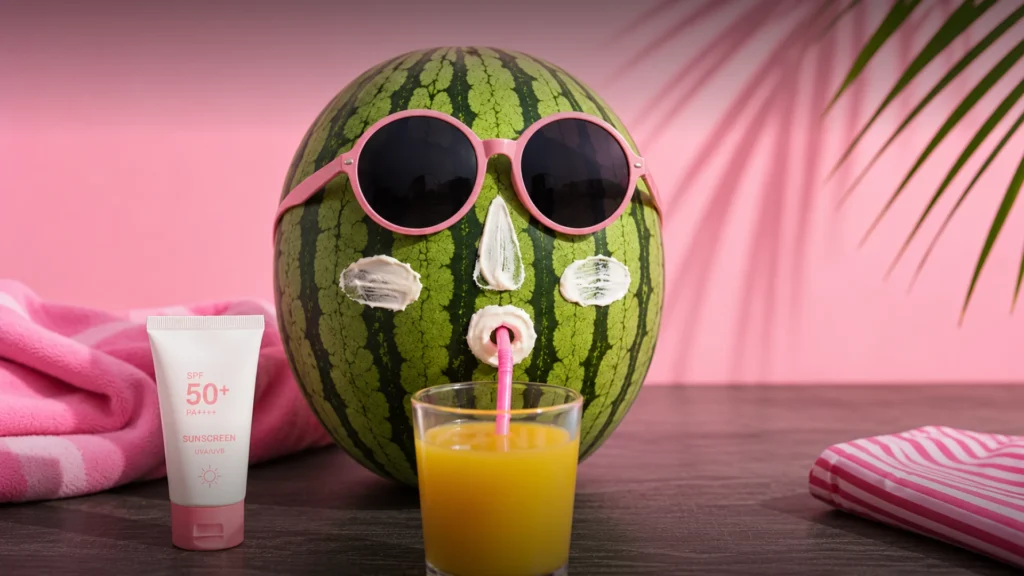
In Georgia, summer means the skin is exposed to ultraviolet radiation every day — strolling through Tbilisi, relaxing in a park, getting around the city, or even having lunch on an open terrace.
That is exactly why dermatologists increasingly remind us: sun protection isn’t just for holidays.
Your Skin Gets More Sun Than You Think
At the beach, people usually keep the sun in mind and try to protect their skin; in the city, by contrast, we often spend several hours outdoors almost without noticing. As a result, the skin receives a considerable dose of ultraviolet light without any trip to the beach.
Even if you never went to the sea and simply spent the weekend wandering through old Tbilisi, relaxing in a park, or sitting on a café terrace, your skin was under the sun’s rays the whole time.
What If It’s Cloudy Outside?
This is one of the most common myths.
Even when the sun is hidden behind clouds, part of the ultraviolet rays still reaches the earth’s surface and acts on the skin.
That is why you can take in an excessive dose of ultraviolet not only in clear weather, but on overcast days as well.
Sun Protection: What People Often Forget
When it comes to sun protection, most people think only of the face. Yet ultraviolet rays affect other exposed areas of the body too.
The ears, neck, décolleté, and the backs of the hands are most often left unprotected. It is precisely on these areas that signs of photoaging, pigment spots, and other sun-related skin changes frequently appear.
For everyday protection in the city, dermatologists recommend using sunscreens with SPF 30–50, and for prolonged time in the sun, giving preference to products with SPF 50+.
It is best to apply sunscreen 15–20 minutes before going outside, so the product has time to spread evenly over the skin. If you spend several hours outdoors in a row, sweat heavily, or relax by the water, protection should be reapplied every 2 hours. On the usual “home — car — office” route, reapplication during the day may not be necessary.
Dermatologists also advise wearing a hat and, where possible, avoiding prolonged exposure to direct sunlight in the middle of the day, when the sun is at its strongest.
Paying attention to skin protection is especially important for people with fair skin, numerous moles, a tendency to develop pigment spots, and those who spend a lot of time outdoors.
A Dermatologist at SILK Medical
If you are concerned about pigment spots, changes in moles, heightened skin sensitivity to the sun, or the aftermath of sunburn, see a specialist.
SILK Medical dermatologists will help assess the condition of your skin, choose recommendations for sun protection, and, if needed, prescribe treatment.