
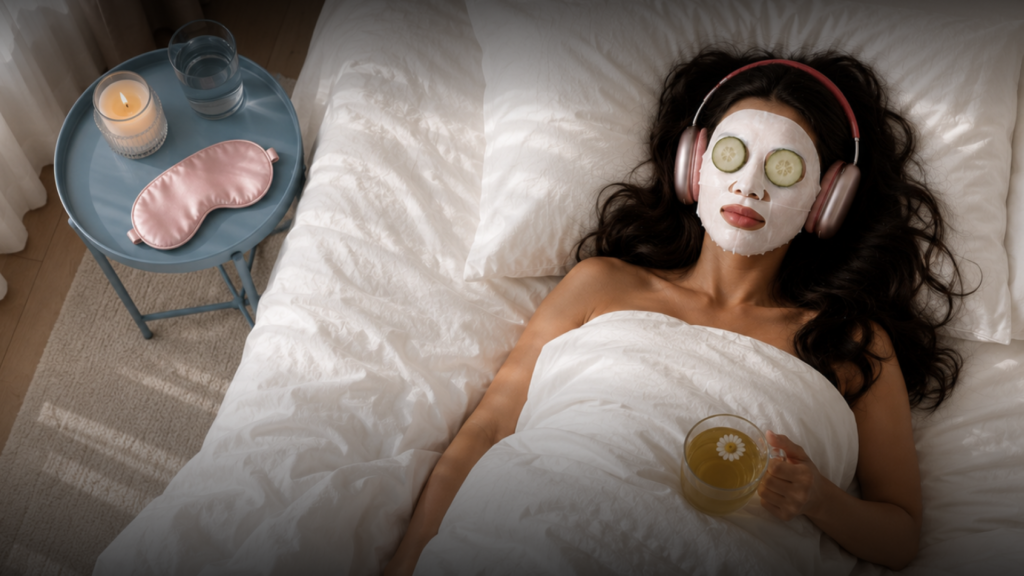
So, what causes swelling? Why does it show up after a sleepless night or a long flight, but sometimes point to a health issue? And is drinking too much water really the reason?
Let’s take a closer look.
Where does swelling come from?
To see why swelling happens, it helps to know how your body moves and gets rid of fluids.
Usually, some fluid leaves your blood vessels and enters your tissues to deliver oxygen and nutrients to your cells. Then, it returns to your blood and lymphatic system. If this process gets out of balance, fluid can get stuck between your cells, causing swelling.
Swelling is not a disease on its own. It is a sign that your body’s fluid balance is off.
Why does the body start retaining fluid?
There are many possible causes. Sometimes swelling is just a temporary reaction, but other times it can signal an underlying health problem.
Even healthy people can get swelling after eating salty foods, drinking alcohol, being in hot weather, taking a long trip, sitting or standing for a long time, not getting enough sleep, or, for women, before their period. Usually, this kind of swelling goes away by itself after you rest and get back to your normal routine.
But if swelling happens often, gets worse, or comes with other symptoms, it could be linked to problems with your heart, kidneys, blood vessels, liver, thyroid, or even certain medications. It’s hard to figure out the cause by yourself, so if swelling keeps coming back, it’s a good idea to see a doctor.
Is it true that you should drink less water?
No, that’s actually a common myth.
Usually, the issue isn’t how much water you drink. Instead, your body starts holding onto water in your tissues for different reasons. So, you shouldn’t cut back on water unless your doctor tells you to.
If your doctor hasn’t told you to limit fluids, just keep drinking as you normally do.
What can you do on your own?
If swelling only happens once in a while and you don’t have other symptoms, you can try changing a few habits:
- don’t cut back on water unless your doctor says so;
- eat less salt, especially if you often have processed foods, fast food, smoked meats, or ready-made sauces;
- move more: if you sit or stand for a long time, take a short break to stretch every 1–2 hours;
- if your legs swell while you rest, try raising them above your heart for 15–20 minutes;
If you see that swelling gets worse after drinking alcohol or eating salty foods, try to have less of these.
When Should You See a Doctor?
Make sure to see a doctor if:
- swelling occurs almost every day;
- it becomes more severe;
- your body weight increases rapidly for no apparent reason;
- your blood pressure rises at the same time;
- you experience shortness of breath;
- swelling occurs in only one leg and is accompanied by pain, redness, or a sensation of heat;
- along with the swelling, your urine output decreases, or your overall well-being noticeably worsens.
If swelling happens often, is getting worse, or comes with other changes in how you feel, start by seeing your regular doctor.
At SILK Medical, a doctor will check your condition, decide which tests you need, and, if needed, send you to a specialist. This helps find the cause of your swelling faster and choose the right treatment.